Pack+56+videos+pornhub+panamero+088+ama+verified May 2026
Portable, Lightweight, and Full OS API access.
Download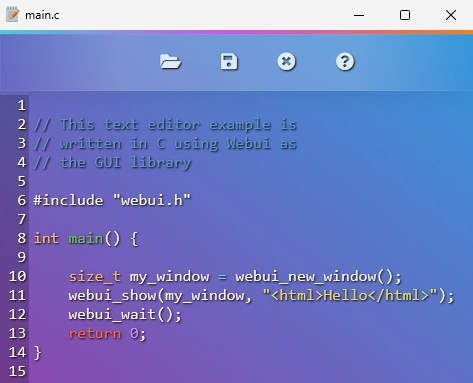
Portable, Lightweight, and Full OS API access.
Download
In the 21st century, the phrase "entertainment and media content" has evolved from a simple industry descriptor into the very definition of how we communicate, learn, and escape. Gone are the days when "media" meant a morning newspaper and "entertainment" meant a Saturday night movie. Today, these two forces have merged into a single, omnipresent stream of digital information that follows us from our smartphones to our smart TVs, and from our office Slack channels to our midnight TikTok scrolls.
Understanding the current landscape of entertainment and media content is no longer just a business imperative for Hollywood executives; it is a necessity for marketers, educators, and even parents. This article explores the seismic shifts in production, distribution, and consumption that define the modern era.
While video dominates the visual cortex, audio is having a renaissance. Podcasting has revitalized entertainment and media content for the multitasking generation. Whether you are commuting, jogging, or doing dishes, narrative audio content fills the gap.
True crime (e.g., Serial), investigative journalism (The Daily), and conversational comedy (Joe Rogan) generate billions of dollars in advertising revenue. Unlike video, audio creates an intimate, parasocial bond. The host speaks directly into your ear, creating a level of trust that television rarely achieves. pack+56+videos+pornhub+panamero+088+ama+verified
Moreover, the battle of the streamers has extended to audiobooks and audio dramas. Spotify’s push into exclusive podcasts and Audible’s original productions prove that audio is no longer an afterthought; it is a pillar of modern entertainment and media content.
TikTok (launched 2016) now has over 1.5 billion users. Its unique “For You” page algorithm prioritizes engagement over follower count, flatten traditional hierarchies. This has:
How we consume entertainment and media content has fundamentally rewired our brains. The "binge model"—releasing an entire season of television at once—has replaced the weekly drip-feed for many platforms. While this satisfies instant gratification, it shortens the cultural lifespan of a show. A series that drops on a Friday is often forgotten by the following Tuesday. The Digital Tapestry: How Entertainment and Media Content
Netflix famously competes not just with HBO or Amazon, but with sleep. Their internal documents once listed Fortnite as a bigger competitor than other streaming services. This "attention economy" means that every piece of content is vying for the user's most finite resource: time.
To win this battle, producers are turning to interactivity. Black Mirror: Bandersnatch allowed viewers to choose the protagonist's path. Podcasts are incorporating choose-your-own-adventure audio cues. Video games (now a larger industry than movies and music combined) have mastered the art of retention through "live service" models—games that evolve daily, keeping players locked in a loop of recurring engagement.
One of the most significant trends in entertainment and media content is the blurring line between producer and consumer. We are no longer passive viewers; we are pro-sumers. Democratized virality : Unknown creators can reach millions
Platforms like Twitch, YouTube, and TikTok have democratized content creation. A teenager in their bedroom with a smartphone can now reach a larger audience than a cable news network. This has led to the rise of "micro-genres"—hyper-specific content niches like "ASMR cooking," "silent vlogging," or "speedrunning retro games."
This democratization presents a challenge for legacy media. To compete, studios are now hiring influencers and adapting viral memes into TV shows. The hierarchy of entertainment and media content has flattened.
WebUI is written in pure C. It is lightweight and has an easy-to-use API.
Due to its high interoperability, it has wrappers in multiple different languages.
You can contribute to the WebUI project using your preferred programming language.