Revoluciona tu radio con
 Automatización + Inteligencia Artificial
Automatización + Inteligencia Artificial
Automatización + Inteligencia Artificial
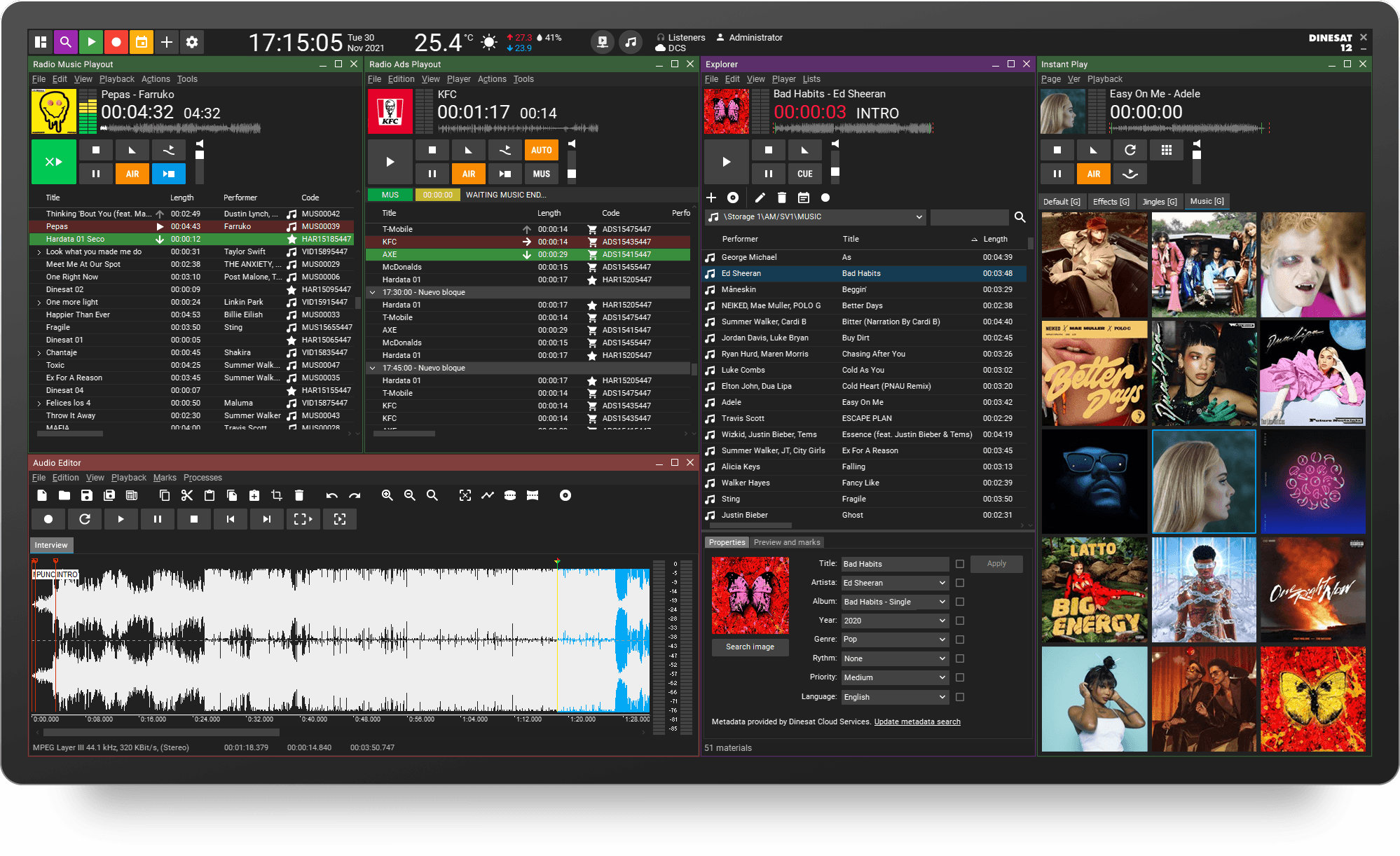
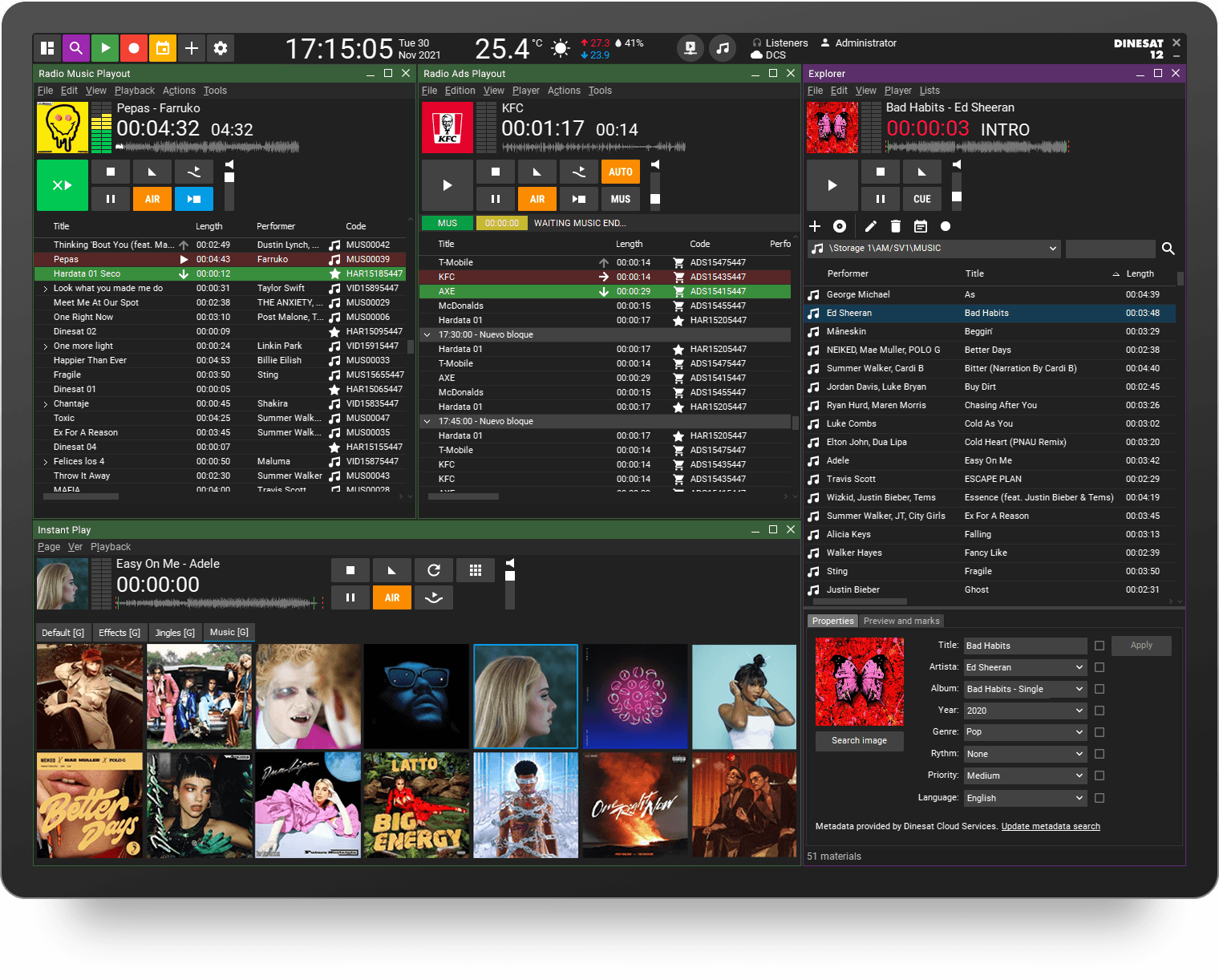
DINESAT 12 es un automatizador pensado para pequeñas y medianas emisoras de radio. Desarrollado para lograr una emisión prolija y profesional de tu contenido.
Miss Heed from Villainous manipulates others through forced affection and vanity, projecting a romantic influencer persona while using a pheromone-based power to control her followers and rivals. Her complex dynamics, particularly with Dr. Flug, emphasize a transactional, power-driven approach to relationships rather than genuine romance. Explore the character's social media presence on TikTok. Miss Heed Account
The Evolution of Online Content and Social Media Personalities
In the vast and dynamic world of social media, personalities and content creators have become the new influencers, shaping trends, and capturing the attention of millions. Among these, individuals like Miss Unge have carved out their own niches, engaging audiences with their unique styles and content. The keyword "miss unge sexy full binal ganti bra id 59699274 mango indo18 upd" seems to reference a specific set of content or a moment involving Miss Unge, which suggests the broader context of online content creation and its implications.
Understanding the Digital Landscape
The digital age has transformed how we consume and interact with content. Platforms like Instagram, YouTube, and TikTok have become household names, offering users a variety of content ranging from educational and how-to videos to more personal and lifestyle-focused posts. Social media personalities, including those who might be categorized under the keyword provided, play a significant role in this ecosystem. They not only entertain but also influence consumer behavior, fashion trends, and even social discourse.
The Phenomenon of Miss Unge
Without specific details on Miss Unge's background, it's challenging to provide a comprehensive overview. However, if we consider the structure of the keyword, it hints at Miss Unge being involved in creating or being featured in content that might be described as "sexy" and involves a change of attire, specifically a bra, identified by a unique ID number. This could imply a photo or video content scenario that has been shared or discussed online.
The Impact of Unique Identifiers in Digital Content
The inclusion of a unique identifier (ID 59699274) in the keyword suggests a specific piece of content or a categorization system used by platforms or content creators. This practice is common in managing and tracking content across the internet, especially in large databases or content libraries. For audiences, these identifiers can help in quickly locating specific content or in discussions about particular posts.
Content Moderation and Online Safety
The mention of specific types of content (like "sexy" or "binal") and platforms (possibly indicated by "mango indo18") brings to the forefront issues of content moderation and online safety. As social media continues to evolve, so do the guidelines and technologies aimed at ensuring users have a safe and positive experience. This includes measures to protect users from explicit content they might not wish to see, as well as safeguarding content creators' rights and well-being.
The Role of Community Guidelines and Self-Regulation
Platforms have community guidelines that dictate what can and cannot be posted. These guidelines are crucial in maintaining a balanced environment where free expression is encouraged but not at the expense of other users' experience or safety. Content creators, including personalities like Miss Unge, often navigate these guidelines, sometimes pushing boundaries but also facing the consequences of violating these rules.
The Future of Online Content and Engagement
As we look towards the future, the way we create, share, and interact with content will continue to evolve. Trends will come and go, and personalities will rise and fall. However, the core of social media—connecting people and providing a platform for expression—will remain. For content creators and consumers alike, staying informed about best practices, platform policies, and digital well-being will be key.
Conclusion
While the keyword "miss unge sexy full binal ganti bra id 59699274 mango indo18 upd" offers a specific snapshot or reference point, it also opens a window into the broader conversations about content creation, moderation, and engagement in the digital age. As we navigate these conversations, it's essential to approach them with an informed perspective, considering both the opportunities and challenges presented by the rapidly evolving world of online content.
While other adults in SKAM are either absent or bumbling, Miss Ung (played with serene wit by Cecilie Martinsen) offers something radical: unconditional, non-panicked observation. When Isak is spiraling about his feelings for Even, convinced he must fit neatly into a label, Miss Ung is teaching a unit on romanticism and existentialism.
Her most quoted line—“Sometimes you have to lose yourself to find yourself”—isn’t just a throwaway. It’s a direct rebuke to binal thinking. She tells her students that love, especially in literature, is not a math problem. It is chaos, contradiction, and transformation.
Miss Unge repeatedly finds herself bound to a love interest by circumstance that is also a barrier. In one storyline, she is a political hostage in a rival court; in another, she shares a body with a parasitic entity that only her lover can suppress. The binal aspect emerges because escape would mean death — but staying means slow corruption.
There’s a crucial two-second shot in Episode 8, after Isak runs home to Even during the Christmas party. The camera cuts to Miss Ung, alone in her classroom, grading papers. She looks up, smiles slightly, and looks back down. That’s it. No dialogue.
That smile is the entire thesis. Miss Ung has watched Isak transform from a closeted, cynical boy into someone who fights for a messy, non-binary love. She doesn’t need to give a speech. She just recognizes the romance for what it is: a living text, full of contradictions, worthy of an A+.
Miss Unge’s relationships don’t end—they evolve into new, stranger forms. A love triangle becomes a square becomes a dodecahedron. The audience is exhausted but delighted.
Your takeaway: Embrace the binal, but dance in the gray area. Make every misunderstanding glorious. And always, always leave room for a sequel involving time travel or a haunted Airbnb.
Now go forth and write wonderfully unhinged romance.
Characters characterized as "unbending" or "unge" (often slang in certain communities for young or unyielding) often follow specific narrative arcs:
Stoicism vs. Vulnerability: The storyline typically revolves around "thawing" an emotionally distant or rigid character.
Power Dynamics: Often features a power imbalance, such as a superior-subordinate or captor-captive dynamic common in dark romance. 2. Core Relationship Tropes
Romantic storylines usually follow established patterns to build tension and engagement:
Enemies-to-Lovers: Characters start with mutual dislike or conflicting goals, slowly transforming their rivalry into chemistry.
Forced Proximity: Scenarios like "Only One Bed" or being "Stuck Together" force the characters to interact and confront their feelings.
Friends-to-Lovers: A relationship built on long-term trust and mutual history, providing a stable but emotionally resonant foundation.
The Second Chance: Reconnecting with a "lost" love after years of growth or separation. 3. Structural Themes in Modern Romance
To prepare a paper on these storylines, consider these thematic pillars:
A Guide to Tropes for the Hopeless Romantic | by CTG Editorial
In those series, the "binal" (Bilal) storylines are often praised for their raw, realistic portrayal of young love, cultural expectations, and the complexities of growing up in Oslo.
If you are looking for a "good post" to share or are reflecting on those romantic arcs, here are a few directions you might be thinking of:
The Emotional Realism: Many viewers miss how the show captured the "butterflies" and the awkwardness of first relationships without the glossy "Hollywood" filter.
Cultural Nuance: The relationships often dealt with the tension between personal desires and family or peer pressure, making the romantic wins feel much more earned.
Character Growth: Watching Bilal navigate heartbreak and loyalty made him one of the most relatable characters for fans of Norwegian teen drama.
The text provided, "miss unge sexy full binal ganti bra id 59699274 mango indo18 upd," appears to be a search query or a specific metadata tag for content on the Mango Live broadcasting platform. Based on the terminology used,
Miss Unge: This refers to a specific broadcaster or "host" on the platform.
Sexy Full Binal: This is Indonesian slang (often spelled binal) used to describe content or a person as "wild," "feisty," or provocative.
Ganti Bra: This translates from Indonesian as "changing bra," indicating the specific theme or action featured in the video or stream.
ID 59699274: This is a unique user or room identification number used to find this specific person on Mango Live.
Indo18 / Upd: These tags indicate that the content is from Indonesia, intended for an adult audience (18+), and is an "update" (upd) or recent post.
Mango Live is a global live-streaming app where users can watch hosts perform, chat, and interact in real-time. AI responses may include mistakes. Learn more Mango live-Go Live Streaming - Apps on Google Play
Miss Unge was a popular social media influencer known for her bold and daring fashion choices. One day, she decided to post a photo of herself wearing a bright pink bra, which quickly went viral. The post was captioned "Ganti bra" or "Change your bra," and it sparked a heated conversation among her followers.
As it turned out, Miss Unge had partnered with a lingerie brand, ID 59699274, to promote their products. The brand was known for its comfortable and stylish undergarments, and Miss Unge was excited to share their offerings with her audience.
In the post, she mentioned that she had recently discovered a new favorite snack - mango-flavored treats from Indo18. She raved about the delicious taste and encouraged her followers to try them out.
However, not everyone was pleased with Miss Unge's post. Some critics accused her of being too provocative and attention-seeking. Others praised her for promoting body positivity and self-confidence.
Despite the backlash, Miss Unge remained unfazed. She continued to share her passion for fashion and self-expression with her followers, and her popularity only grew.
As for the bra, it became a topic of discussion among her followers, with some people sharing their own favorite lingerie brands and styles. The conversation sparked a larger discussion about self-care, self-love, and the importance of feeling confident in one's own skin.
In the end, Miss Unge's post had achieved its intended goal - to start a conversation and inspire her followers to embrace their individuality.
The details you provided refer to content on Mango Live , a global live-streaming platform where broadcasters often share personal or adult-oriented content. The specific ID
typically identifies a unique user profile or a specific recorded broadcast session.
Based on general user feedback and the nature of the Mango Live platform, here is an overview of the "viewing experience" for this type of content: Platform Nature
: Mango Live is known for hosting diverse streamers, ranging from casual chat and gaming to more adult-centric "VIP" or "private" rooms that may require in-app currency or subscriptions to access. Content Style
: Titles like "miss unge" or "sexy full binal" are often used as "clickbait" to attract viewers to private streams. Users from reviewers at the Apple App Store
have noted that while the app promotes diverse talent, it also contains significant graphic or sexual content. User Sentiment : Supporters on the Google Play Store
enjoy the interactive "Guest Live" sessions where they can join broadcasts via audio or video.
: Critical reviews often highlight issues with "pay-to-view" models where the content doesn't always match the advertised title, as well as technical glitches like frequent app crashing. Security Warnings
: Some users have raised privacy concerns regarding the app's camera permissions and data security. Google Play
Links or "updates" related to specific IDs found on third-party sites are frequently associated with archived or "leaked" content, which may carry security risks such as malware. It is generally safer to interact with broadcasters directly through official apps like Mango Live on Google Play Mango live-Go Live Streaming - Apps on Google Play
Unpacking the Heart of Miss Unge: Binal Relationships and Romantic Storylines
In the landscape of modern digital storytelling, few series have captured the nuance of young adulthood quite like Miss Unge. While the show tackles everything from career pressures to personal identity, it is the binal relationships and intricate romantic storylines that keep fans coming back episode after episode.
But what makes these connections so resonant? Let’s dive into how Miss Unge redefines romance for a new generation. The Concept of "Binal" Connections
In the context of the series, "binal" (often referring to binary or dual-layered dynamics) describes the complex push-and-pull between two characters who are often opposites or exist in different social spheres. These aren't your typical "boy meets girl" scenarios; they are deeply layered partnerships where both characters must evolve to make the relationship work.
The binal nature of these pairings highlights the duality of modern love: the struggle between individual ambition and the desire for partnership. Romantic Storylines That Subvert Expectations
Miss Unge excels at taking classic romantic tropes—enemies-to-lovers, the "slow burn," or the forbidden romance—and flipping them on their heads. 1. The Slow Burn: Depth Over Speed
Unlike many dramas that rush into physical intimacy, Miss Unge prioritizes emotional intelligence. The romantic storylines often begin as professional rivalries or tentative friendships. This "slow burn" approach allows the audience to see the characters grow as individuals before they become a "we." 2. Vulnerability as a Strength
A recurring theme in the show’s binal relationships is the breaking down of walls. We see characters who are "perfect" on the outside—successful, driven, and stoic—slowly reveal their insecurities to their partners. This shift from performance to authenticity is the engine that drives the show's most beloved arcs. Why Fans Are Obsessed
The magic of the Miss Unge romantic storylines lies in their relatability. The show doesn't shy away from the "unsexy" parts of dating:
The Miscommunications: Real-world misunderstandings that aren't easily fixed by a grand gesture.
The Timing: The painful reality that sometimes you meet the right person at the wrong point in your career.
The Growth: How a partner can act as a mirror, forcing you to confront your own flaws. The Cultural Impact of Binal Relationships
By focusing on "binal" dynamics, Miss Unge provides a template for healthy, albeit complicated, relationships. It suggests that tension isn't necessarily a sign of a bad match, but rather a byproduct of two strong individuals trying to merge their lives.
The series proves that romance is most compelling when it’s treated as a catalyst for personal transformation. Whether it's the high-stakes drama of a secret office romance or the quiet intimacy of a shared meal, Miss Unge handles its romantic storylines with a maturity that is rare in contemporary media. Who is your favorite pairing in the series so far?
It sounds like you're asking for a critical or analytical post about the portrayal of "Miss Unge" (likely a misspelling of Miss Ung—a character from the Norwegian teen drama Skam, season 3, where she is a young, hip literature teacher) and how she engages with or observes the binal (binary or perhaps a typo for "binære" [Norwegian for binary] or "binal" as a rare word for "twofold") relationships and romantic storylines around her.
I will interpret this as: A deep dive into Miss Ung’s role as an adult observer of teen romantic dynamics in Skam (S3), specifically the Isak/Even storyline, and how her commentary on love, literature, and binary constructs (like gay/straight, right/wrong, fantasy/reality) adds a meta-layer to the show.
Below is a full blog-style post based on that interpretation.
Title: Miss Unge and the Sabotaged Slow Burn
Premise: She’s a chaotic party planner. He’s the health inspector shutting down her events. They must work together to expose a corrupt wedding cake mogul.
Binary conflict: Spontaneity vs. Rules
Catalyst moment: She fake-proposes to him at a gala to distract security. He says yes. Too convincingly.
Midpoint twist: He’s actually her long-lost pen pal from middle school—the one she ghosted after he sent a poem about hamsters.
Climax: They confess during a bouncy castle collapse.
Ending: Open. They agree to “see where the chaos takes us.” Cut to them arguing over paint colors for their shared office. Fade to black.
A classic Miss Unge romantic arc has five stages:
Accidental Entanglement – She mistakes him for a waiter/he mistakes her for a ghost. Cue physical comedy and instant obsession.
The Misunderstanding That Could Be Solved by a Single Text – She sees him hugging someone. It’s his sister. But instead of asking, she starts a rival catering company next to his bakery.
The Grand, Inappropriate Gesture – He apologizes by hiring a skywriter. The skywriter accidentally writes “SORRY I CHEATED” (he didn’t). The whole town gets involved.
The Breakup at an Inconvenient Public Event – Usually during a wedding, award ceremony, or flood. She throws a drink. He throws logic out the window.
The Reunion via Absurd Circumstance – They’re locked in an IKEA overnight. Or mistaken for international smugglers. Or forced to raise a puppy together. Cue reluctant smiles and a kiss in the rain (or freezer aisle).
No discussion is complete without addressing critique. Some scholars argue that Miss Unge’s binal relationships romanticize entrapment. In one controversial storyline (The Gilded Cage), her lover literally locks her in a tower to “protect” her, and she eventually thanks him. The narrative framed this as binal devotion; many fans called it abuse.
The showrunner responded by noting that “binal” does not mean “healthy” — some relationships are binding because of trauma, not love. Still, the debate continues. Where should creators draw the line between tragic romance and harmful glorification?
A balanced view: Miss Unge’s romantic storylines work best when the cost of the binal relationship is explicit, not aestheticized. The ashes must feel real.
In the pantheon of iconic SKAM characters, Miss Ung—the effortlessly cool literature teacher at Hartvig Nissen—rarely tops the fan polls. She doesn’t have a viral clip of a party meltdown or a text message heartbreak. Yet, in Season 3 (the Isak & Even season), Miss Ung performs one of the most vital functions in modern teen drama: she becomes the show’s moral and literary compass, gently dismantling binal (binary) thinking about love, sexuality, and storytelling.
For those who need a refresher: “Binal” (from the Latin bīnī, meaning “twofold” or “in pairs”) refers to rigid binary systems—gay/straight, right/wrong, healthy/toxic, real/fake. And Miss Ung’s classroom lectures are not just filler; they are the thematic skeleton of the season’s most groundbreaking romance.
Miss Heed from Villainous manipulates others through forced affection and vanity, projecting a romantic influencer persona while using a pheromone-based power to control her followers and rivals. Her complex dynamics, particularly with Dr. Flug, emphasize a transactional, power-driven approach to relationships rather than genuine romance. Explore the character's social media presence on TikTok. Miss Heed Account
The Evolution of Online Content and Social Media Personalities
In the vast and dynamic world of social media, personalities and content creators have become the new influencers, shaping trends, and capturing the attention of millions. Among these, individuals like Miss Unge have carved out their own niches, engaging audiences with their unique styles and content. The keyword "miss unge sexy full binal ganti bra id 59699274 mango indo18 upd" seems to reference a specific set of content or a moment involving Miss Unge, which suggests the broader context of online content creation and its implications.
Understanding the Digital Landscape
The digital age has transformed how we consume and interact with content. Platforms like Instagram, YouTube, and TikTok have become household names, offering users a variety of content ranging from educational and how-to videos to more personal and lifestyle-focused posts. Social media personalities, including those who might be categorized under the keyword provided, play a significant role in this ecosystem. They not only entertain but also influence consumer behavior, fashion trends, and even social discourse.
The Phenomenon of Miss Unge
Without specific details on Miss Unge's background, it's challenging to provide a comprehensive overview. However, if we consider the structure of the keyword, it hints at Miss Unge being involved in creating or being featured in content that might be described as "sexy" and involves a change of attire, specifically a bra, identified by a unique ID number. This could imply a photo or video content scenario that has been shared or discussed online.
The Impact of Unique Identifiers in Digital Content
The inclusion of a unique identifier (ID 59699274) in the keyword suggests a specific piece of content or a categorization system used by platforms or content creators. This practice is common in managing and tracking content across the internet, especially in large databases or content libraries. For audiences, these identifiers can help in quickly locating specific content or in discussions about particular posts.
Content Moderation and Online Safety
The mention of specific types of content (like "sexy" or "binal") and platforms (possibly indicated by "mango indo18") brings to the forefront issues of content moderation and online safety. As social media continues to evolve, so do the guidelines and technologies aimed at ensuring users have a safe and positive experience. This includes measures to protect users from explicit content they might not wish to see, as well as safeguarding content creators' rights and well-being.
The Role of Community Guidelines and Self-Regulation
Platforms have community guidelines that dictate what can and cannot be posted. These guidelines are crucial in maintaining a balanced environment where free expression is encouraged but not at the expense of other users' experience or safety. Content creators, including personalities like Miss Unge, often navigate these guidelines, sometimes pushing boundaries but also facing the consequences of violating these rules.
The Future of Online Content and Engagement
As we look towards the future, the way we create, share, and interact with content will continue to evolve. Trends will come and go, and personalities will rise and fall. However, the core of social media—connecting people and providing a platform for expression—will remain. For content creators and consumers alike, staying informed about best practices, platform policies, and digital well-being will be key.
Conclusion
While the keyword "miss unge sexy full binal ganti bra id 59699274 mango indo18 upd" offers a specific snapshot or reference point, it also opens a window into the broader conversations about content creation, moderation, and engagement in the digital age. As we navigate these conversations, it's essential to approach them with an informed perspective, considering both the opportunities and challenges presented by the rapidly evolving world of online content.
While other adults in SKAM are either absent or bumbling, Miss Ung (played with serene wit by Cecilie Martinsen) offers something radical: unconditional, non-panicked observation. When Isak is spiraling about his feelings for Even, convinced he must fit neatly into a label, Miss Ung is teaching a unit on romanticism and existentialism.
Her most quoted line—“Sometimes you have to lose yourself to find yourself”—isn’t just a throwaway. It’s a direct rebuke to binal thinking. She tells her students that love, especially in literature, is not a math problem. It is chaos, contradiction, and transformation.
Miss Unge repeatedly finds herself bound to a love interest by circumstance that is also a barrier. In one storyline, she is a political hostage in a rival court; in another, she shares a body with a parasitic entity that only her lover can suppress. The binal aspect emerges because escape would mean death — but staying means slow corruption.
There’s a crucial two-second shot in Episode 8, after Isak runs home to Even during the Christmas party. The camera cuts to Miss Ung, alone in her classroom, grading papers. She looks up, smiles slightly, and looks back down. That’s it. No dialogue.
That smile is the entire thesis. Miss Ung has watched Isak transform from a closeted, cynical boy into someone who fights for a messy, non-binary love. She doesn’t need to give a speech. She just recognizes the romance for what it is: a living text, full of contradictions, worthy of an A+.
Miss Unge’s relationships don’t end—they evolve into new, stranger forms. A love triangle becomes a square becomes a dodecahedron. The audience is exhausted but delighted.
Your takeaway: Embrace the binal, but dance in the gray area. Make every misunderstanding glorious. And always, always leave room for a sequel involving time travel or a haunted Airbnb. Miss Heed from Villainous manipulates others through forced
Now go forth and write wonderfully unhinged romance.
Characters characterized as "unbending" or "unge" (often slang in certain communities for young or unyielding) often follow specific narrative arcs:
Stoicism vs. Vulnerability: The storyline typically revolves around "thawing" an emotionally distant or rigid character.
Power Dynamics: Often features a power imbalance, such as a superior-subordinate or captor-captive dynamic common in dark romance. 2. Core Relationship Tropes
Romantic storylines usually follow established patterns to build tension and engagement:
Enemies-to-Lovers: Characters start with mutual dislike or conflicting goals, slowly transforming their rivalry into chemistry.
Forced Proximity: Scenarios like "Only One Bed" or being "Stuck Together" force the characters to interact and confront their feelings.
Friends-to-Lovers: A relationship built on long-term trust and mutual history, providing a stable but emotionally resonant foundation.
The Second Chance: Reconnecting with a "lost" love after years of growth or separation. 3. Structural Themes in Modern Romance
To prepare a paper on these storylines, consider these thematic pillars:
A Guide to Tropes for the Hopeless Romantic | by CTG Editorial
In those series, the "binal" (Bilal) storylines are often praised for their raw, realistic portrayal of young love, cultural expectations, and the complexities of growing up in Oslo.
If you are looking for a "good post" to share or are reflecting on those romantic arcs, here are a few directions you might be thinking of:
The Emotional Realism: Many viewers miss how the show captured the "butterflies" and the awkwardness of first relationships without the glossy "Hollywood" filter.
Cultural Nuance: The relationships often dealt with the tension between personal desires and family or peer pressure, making the romantic wins feel much more earned.
Character Growth: Watching Bilal navigate heartbreak and loyalty made him one of the most relatable characters for fans of Norwegian teen drama.
The text provided, "miss unge sexy full binal ganti bra id 59699274 mango indo18 upd," appears to be a search query or a specific metadata tag for content on the Mango Live broadcasting platform. Based on the terminology used,
Miss Unge: This refers to a specific broadcaster or "host" on the platform.
Sexy Full Binal: This is Indonesian slang (often spelled binal) used to describe content or a person as "wild," "feisty," or provocative.
Ganti Bra: This translates from Indonesian as "changing bra," indicating the specific theme or action featured in the video or stream.
ID 59699274: This is a unique user or room identification number used to find this specific person on Mango Live.
Indo18 / Upd: These tags indicate that the content is from Indonesia, intended for an adult audience (18+), and is an "update" (upd) or recent post.
Mango Live is a global live-streaming app where users can watch hosts perform, chat, and interact in real-time. AI responses may include mistakes. Learn more Mango live-Go Live Streaming - Apps on Google Play The Classroom as a Safehouse While other adults
Miss Unge was a popular social media influencer known for her bold and daring fashion choices. One day, she decided to post a photo of herself wearing a bright pink bra, which quickly went viral. The post was captioned "Ganti bra" or "Change your bra," and it sparked a heated conversation among her followers.
As it turned out, Miss Unge had partnered with a lingerie brand, ID 59699274, to promote their products. The brand was known for its comfortable and stylish undergarments, and Miss Unge was excited to share their offerings with her audience.
In the post, she mentioned that she had recently discovered a new favorite snack - mango-flavored treats from Indo18. She raved about the delicious taste and encouraged her followers to try them out.
However, not everyone was pleased with Miss Unge's post. Some critics accused her of being too provocative and attention-seeking. Others praised her for promoting body positivity and self-confidence.
Despite the backlash, Miss Unge remained unfazed. She continued to share her passion for fashion and self-expression with her followers, and her popularity only grew.
As for the bra, it became a topic of discussion among her followers, with some people sharing their own favorite lingerie brands and styles. The conversation sparked a larger discussion about self-care, self-love, and the importance of feeling confident in one's own skin.
In the end, Miss Unge's post had achieved its intended goal - to start a conversation and inspire her followers to embrace their individuality.
The details you provided refer to content on Mango Live , a global live-streaming platform where broadcasters often share personal or adult-oriented content. The specific ID
typically identifies a unique user profile or a specific recorded broadcast session.
Based on general user feedback and the nature of the Mango Live platform, here is an overview of the "viewing experience" for this type of content: Platform Nature
: Mango Live is known for hosting diverse streamers, ranging from casual chat and gaming to more adult-centric "VIP" or "private" rooms that may require in-app currency or subscriptions to access. Content Style
: Titles like "miss unge" or "sexy full binal" are often used as "clickbait" to attract viewers to private streams. Users from reviewers at the Apple App Store
have noted that while the app promotes diverse talent, it also contains significant graphic or sexual content. User Sentiment : Supporters on the Google Play Store
enjoy the interactive "Guest Live" sessions where they can join broadcasts via audio or video.
: Critical reviews often highlight issues with "pay-to-view" models where the content doesn't always match the advertised title, as well as technical glitches like frequent app crashing. Security Warnings
: Some users have raised privacy concerns regarding the app's camera permissions and data security. Google Play
Links or "updates" related to specific IDs found on third-party sites are frequently associated with archived or "leaked" content, which may carry security risks such as malware. It is generally safer to interact with broadcasters directly through official apps like Mango Live on Google Play Mango live-Go Live Streaming - Apps on Google Play
Unpacking the Heart of Miss Unge: Binal Relationships and Romantic Storylines
In the landscape of modern digital storytelling, few series have captured the nuance of young adulthood quite like Miss Unge. While the show tackles everything from career pressures to personal identity, it is the binal relationships and intricate romantic storylines that keep fans coming back episode after episode.
But what makes these connections so resonant? Let’s dive into how Miss Unge redefines romance for a new generation. The Concept of "Binal" Connections
In the context of the series, "binal" (often referring to binary or dual-layered dynamics) describes the complex push-and-pull between two characters who are often opposites or exist in different social spheres. These aren't your typical "boy meets girl" scenarios; they are deeply layered partnerships where both characters must evolve to make the relationship work.
The binal nature of these pairings highlights the duality of modern love: the struggle between individual ambition and the desire for partnership. Romantic Storylines That Subvert Expectations
Miss Unge excels at taking classic romantic tropes—enemies-to-lovers, the "slow burn," or the forbidden romance—and flipping them on their heads. 1. The Slow Burn: Depth Over Speed Step 5: Write Your Own Miss Unge Storyline
Unlike many dramas that rush into physical intimacy, Miss Unge prioritizes emotional intelligence. The romantic storylines often begin as professional rivalries or tentative friendships. This "slow burn" approach allows the audience to see the characters grow as individuals before they become a "we." 2. Vulnerability as a Strength
A recurring theme in the show’s binal relationships is the breaking down of walls. We see characters who are "perfect" on the outside—successful, driven, and stoic—slowly reveal their insecurities to their partners. This shift from performance to authenticity is the engine that drives the show's most beloved arcs. Why Fans Are Obsessed
The magic of the Miss Unge romantic storylines lies in their relatability. The show doesn't shy away from the "unsexy" parts of dating:
The Miscommunications: Real-world misunderstandings that aren't easily fixed by a grand gesture.
The Timing: The painful reality that sometimes you meet the right person at the wrong point in your career.
The Growth: How a partner can act as a mirror, forcing you to confront your own flaws. The Cultural Impact of Binal Relationships
By focusing on "binal" dynamics, Miss Unge provides a template for healthy, albeit complicated, relationships. It suggests that tension isn't necessarily a sign of a bad match, but rather a byproduct of two strong individuals trying to merge their lives.
The series proves that romance is most compelling when it’s treated as a catalyst for personal transformation. Whether it's the high-stakes drama of a secret office romance or the quiet intimacy of a shared meal, Miss Unge handles its romantic storylines with a maturity that is rare in contemporary media. Who is your favorite pairing in the series so far?
It sounds like you're asking for a critical or analytical post about the portrayal of "Miss Unge" (likely a misspelling of Miss Ung—a character from the Norwegian teen drama Skam, season 3, where she is a young, hip literature teacher) and how she engages with or observes the binal (binary or perhaps a typo for "binære" [Norwegian for binary] or "binal" as a rare word for "twofold") relationships and romantic storylines around her.
I will interpret this as: A deep dive into Miss Ung’s role as an adult observer of teen romantic dynamics in Skam (S3), specifically the Isak/Even storyline, and how her commentary on love, literature, and binary constructs (like gay/straight, right/wrong, fantasy/reality) adds a meta-layer to the show.
Below is a full blog-style post based on that interpretation.
Title: Miss Unge and the Sabotaged Slow Burn
Premise: She’s a chaotic party planner. He’s the health inspector shutting down her events. They must work together to expose a corrupt wedding cake mogul.
Binary conflict: Spontaneity vs. Rules
Catalyst moment: She fake-proposes to him at a gala to distract security. He says yes. Too convincingly.
Midpoint twist: He’s actually her long-lost pen pal from middle school—the one she ghosted after he sent a poem about hamsters.
Climax: They confess during a bouncy castle collapse.
Ending: Open. They agree to “see where the chaos takes us.” Cut to them arguing over paint colors for their shared office. Fade to black.
A classic Miss Unge romantic arc has five stages:
Accidental Entanglement – She mistakes him for a waiter/he mistakes her for a ghost. Cue physical comedy and instant obsession.
The Misunderstanding That Could Be Solved by a Single Text – She sees him hugging someone. It’s his sister. But instead of asking, she starts a rival catering company next to his bakery.
The Grand, Inappropriate Gesture – He apologizes by hiring a skywriter. The skywriter accidentally writes “SORRY I CHEATED” (he didn’t). The whole town gets involved.
The Breakup at an Inconvenient Public Event – Usually during a wedding, award ceremony, or flood. She throws a drink. He throws logic out the window.
The Reunion via Absurd Circumstance – They’re locked in an IKEA overnight. Or mistaken for international smugglers. Or forced to raise a puppy together. Cue reluctant smiles and a kiss in the rain (or freezer aisle).
No discussion is complete without addressing critique. Some scholars argue that Miss Unge’s binal relationships romanticize entrapment. In one controversial storyline (The Gilded Cage), her lover literally locks her in a tower to “protect” her, and she eventually thanks him. The narrative framed this as binal devotion; many fans called it abuse.
The showrunner responded by noting that “binal” does not mean “healthy” — some relationships are binding because of trauma, not love. Still, the debate continues. Where should creators draw the line between tragic romance and harmful glorification?
A balanced view: Miss Unge’s romantic storylines work best when the cost of the binal relationship is explicit, not aestheticized. The ashes must feel real.
In the pantheon of iconic SKAM characters, Miss Ung—the effortlessly cool literature teacher at Hartvig Nissen—rarely tops the fan polls. She doesn’t have a viral clip of a party meltdown or a text message heartbreak. Yet, in Season 3 (the Isak & Even season), Miss Ung performs one of the most vital functions in modern teen drama: she becomes the show’s moral and literary compass, gently dismantling binal (binary) thinking about love, sexuality, and storytelling.
For those who need a refresher: “Binal” (from the Latin bīnī, meaning “twofold” or “in pairs”) refers to rigid binary systems—gay/straight, right/wrong, healthy/toxic, real/fake. And Miss Ung’s classroom lectures are not just filler; they are the thematic skeleton of the season’s most groundbreaking romance.
Ahora puedes contratar el servicio de streaming de DINESAT, haciendo que tu radio se escuche en cualquier lugar del mundo.
El precio corresponde a un año de servicio de streaming. Calidad de sonido MP3 128kbps / AAC 96kbps.
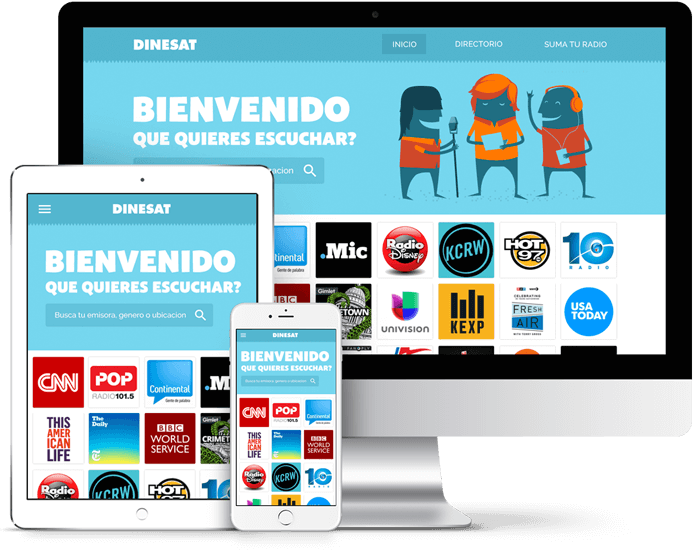
Diseñamos ambas aplicaciones y las dejamos disponibles en las tiendas para todos tus oyentes.
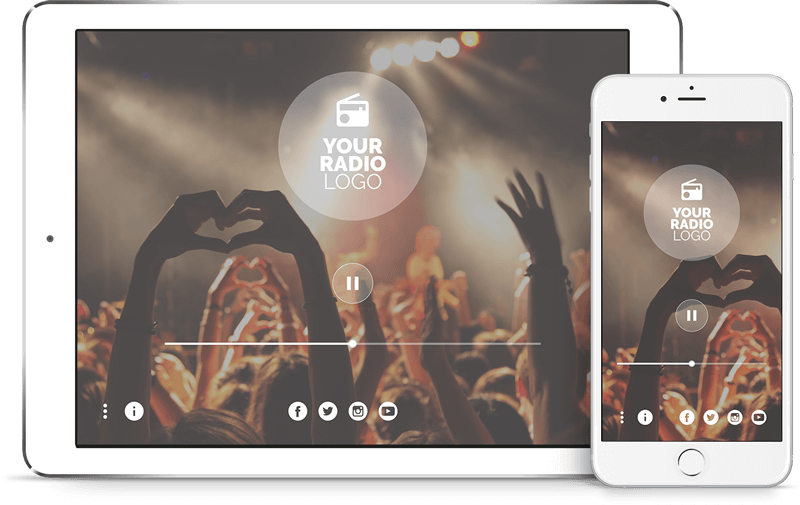
Hoy más que nunca necesitas tu aplicación para teléfonos móviles para que puedas acompañar a tu audiencia vaya adonde vaya.
Las aplicaciones contarán con el logotipo de la emisora, botón para escuchar y pausar, control de volumen, links a redes sociales y background playback.
La Asistencia Personalizada te ayudará a evitar o solucionar problemas. El servicio incluye atención prioritaria por mail, asistencia remota y línea de emergencias 24/7 sólo para problemas de emisión de aire.
Si ya cuentas con una suscripción activa contacta a Soporte.
Ir a SoporteEl soporte gratuito es sólo para consultas relacionadas con la instalación y activación inicial del producto. También puedes consultar el Centro de Ayuda donde encontrarás información útil sobre nuestros productos.