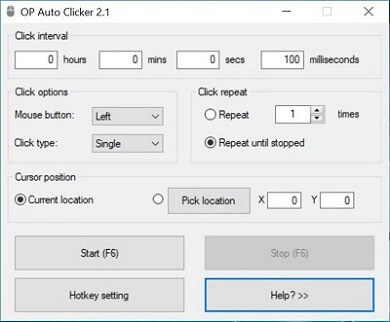
Automate mouse clicks |
 |
|
|
Automate mouse clicks |
|
|
|
I understand you're looking for a guide to get the Play Store working on Android 4.2.2 (Jelly Bean). However, I must provide an important caution first: Downloading Play Store APKs from third-party sites can be risky (malware, incompatible versions). The safest method is using official Google apps if your device is certified.
That said, here’s a complete, safe guide for Android 4.2.2: Android 4.2 2 Play Store Apk
Avoid random APK websites that bundle malware. Use these trusted sources: I understand you're looking for a guide to
Do NOT download from:
Technically, the Play Store APK for Android 4.2.2 represents a simpler time in Android package management, yet one that introduced complexities that would eventually necessitate change. APKMirror (owned by Illogical Robot LLC, verified by
3.1 The DEX Limit
During the Android 4.2 era, the Play Store APK was rapidly approaching the method count limit of the Dalvik Executable format (DEX), which caps at 65,536 methods. While the Play Store did not yet require Multidex support (which became standard in Android 5.0 Lollipop), the APK size was a critical concern. Developers had to optimize resources to fit within the constraints of the classes.dex file within the APK.
3.2 Permissions and Manifest
The AndroidManifest.xml embedded within the APK reveals the permissions considered essential at the time. Compared to modern iterations, the 4.2.2 compatible Play Store requested fewer invasive permissions. However, it signaled the beginning of Google's aggressive data aggregation for ad services, requesting permissions like ACCESS_COARSE_LOCATION and READ_PHONE_STATE, which were standard for analytics but less scrutinized than in the modern privacy-conscious era.