

Perspectives banner
Resources for Jazz Education

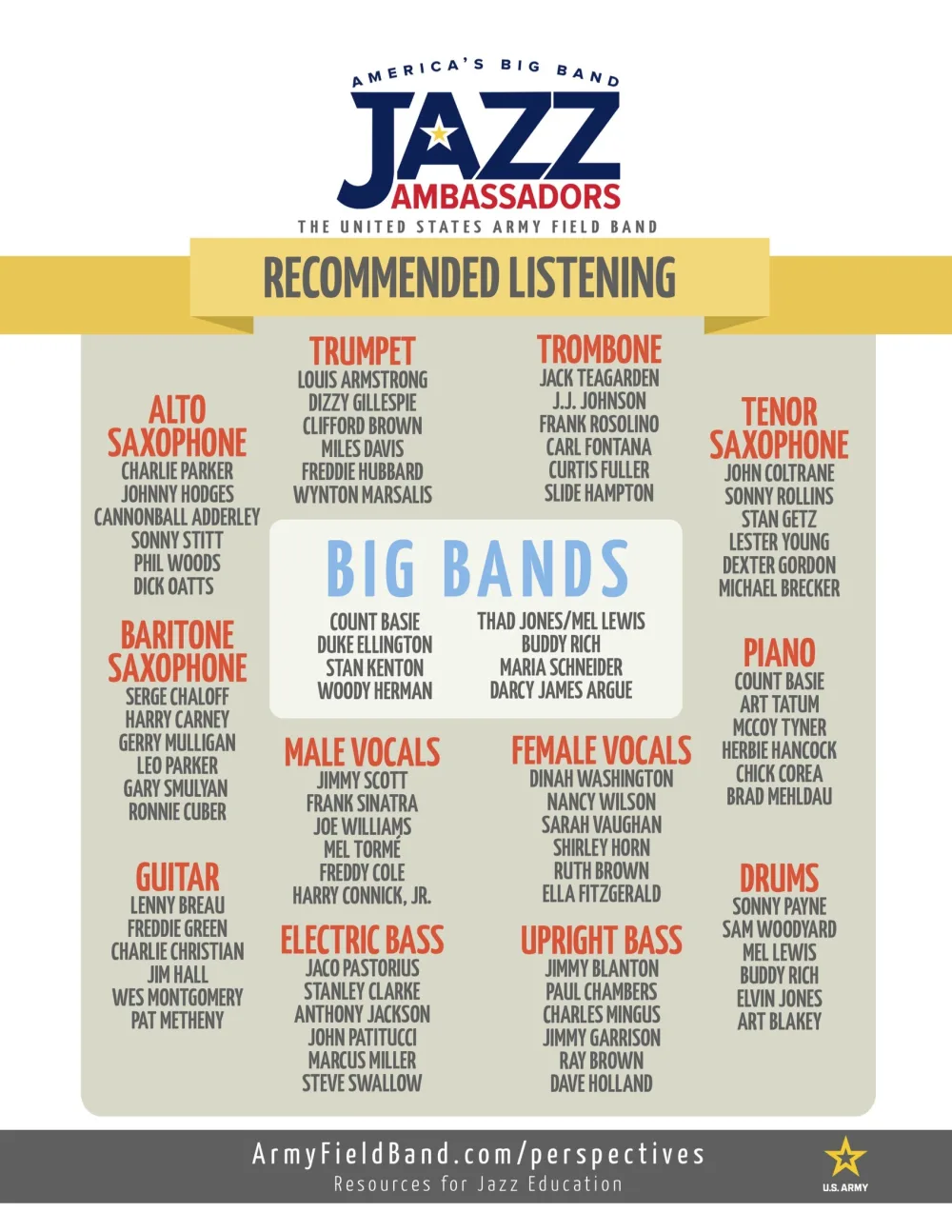
The Jazz Ambassadors of The United States Army Field Band proudly brings you Perspectives: Resources for Jazz Education. Perspectives includes original sheet music for jazz ensemble (ranging in difficulty from middle school to professional level), corresponding downloadable recordings by the Jazz Ambassadors, discographies, Pro Tips videos, promotional material, and much more. All Perspectives resources are free. Please continue to check the website to see what new things we have added. As longtime supporters of jazz education in America, the members of the Jazz Ambassadors hope you find Perspectives to be an invaluable resource.

ROYALTY FREE BIG BAND CHARTS

Introduction

Animals have been a part of human entertainment for centuries, with zoos and menageries showcasing exotic creatures for public amusement. Over time, the way we consume and interact with animal entertainment has evolved, with the rise of film, television, and digital media. This guide explores the various forms of animal zoo entertainment content and popular media.

Types of Animal Zoo Entertainment

  1. Zoos and Aquariums: These institutions provide a controlled environment for people to observe and learn about various animal species. Many zoos and aquariums offer interactive experiences, such as animal feedings, petting zoos, and behind-the-scenes tours.
  2. Wildlife Parks and Safaris: These parks offer a more naturalistic setting for observing animals, often with guided tours or self-drive experiences.
  3. Circuses and Shows: Traveling circuses and shows feature trained animals performing acrobatic stunts, tricks, and other entertainment acts.
  4. Documentaries and Wildlife Films: Non-fiction films and documentaries showcase animal behavior, habitats, and conservation efforts.
  5. Theme Parks and Resorts: Some theme parks and resorts feature animal exhibits, shows, or interactive experiences, such as Disney's Animal Kingdom.

Popular Animal Entertainment Media

  1. National Geographic: A leading brand for wildlife documentaries, TV shows, and online content.
  2. Planet Earth: A critically acclaimed BBC documentary series showcasing natural wonders and animal behavior.
  3. Zoo and Aquarium TV Shows: Programs like "Zoo Cam" and "Aquarium Live" offer live feeds and behind-the-scenes footage of animal enclosures.
  4. Animal Planet: A cable network dedicated to wildlife documentaries, reality TV shows, and animal-related programming.
  5. Social Media and Online Platforms: YouTube channels, Instagram accounts, and online forums share animal-related content, from cute animal videos to educational series.

Influential Animal Entertainment Franchises

  1. Disney's The Lion King: An iconic animated film and stage production that has become a cultural phenomenon.
  2. Planet of the Apes: A science fiction franchise that has captivated audiences with its intelligent, ape-dominated world.
  3. Zootopia: A Disney animated film set in a world where animals have evolved to live in harmony with each other.
  4. The Jungle Book: A classic tale by Rudyard Kipling, adapted into various films, stage productions, and animated series.
  5. SeaWorld: A marine park franchise that has been a popular destination for animal entertainment and education.

Conservation and Welfare Concerns

  1. Animal Welfare: Concerns about animal treatment, living conditions, and performance safety have led to increased scrutiny of animal entertainment industries.
  2. Conservation: Many animal entertainment venues and media outlets now prioritize conservation efforts, education, and research.
  3. Regulations and Standards: Governments and organizations have established guidelines and regulations to ensure animal welfare and safety in entertainment industries.

Conclusion

Animal zoo entertainment content and popular media have evolved significantly over the years, reflecting changing societal values and advances in technology. While concerns about animal welfare and conservation remain, many entertainment venues and media outlets now prioritize education, research, and conservation efforts. By exploring the various forms of animal entertainment, we can appreciate the importance of responsible and sustainable practices in the industry.

It looks like you're referencing a paper titled something like "All Animal Zoo: Entertainment Content and Popular Media" — though that exact title isn't a standard or widely known academic publication as of my last update.

If you are trying to locate or cite such a paper, here are useful steps:

  1. Check the exact title – Minor variations in wording can affect search results. Try:

    • "All the Animals: Zoo Entertainment and Popular Media"
    • "Animal Entertainment in Zoos and Popular Media"
    • "Zoos, Animal Content, and Media Representation"
  2. Search academic databases with keywords:

    • "zoo entertainment" AND "popular media"
    • "animal content" AND "media" AND "zoo"
    • Databases: Google Scholar, JSTOR, Scopus, Web of Science.
  3. If you have the author or year, add that to your search.

  4. If the paper doesn't exist, you might be thinking of a concept or a book chapter. Useful real papers on this topic include:

    • "Zoos and the Media" (Braverman, 2013) – on how zoos use media for entertainment/education.
    • "Watching Exotica: Animals on Screen" (Bouse, 2000) – on wildlife entertainment media.
    • "Performing Animals: Zoos and the Entertainment Industry" (Acampora, 2010).

If you clarify the author, year, or journal, I can help you locate the exact paper or generate a proper citation.


Part I: The Historical Blueprint – Zoos as Living Libraries

Before Netflix and YouTube, the zoo was the original "animal content platform." The modern zoo was born from colonial exhibitionism and aristocratic collections. However, by the mid-20th century, the mission shifted from spectacle to conservation.

B. Live-Action Family Films & Documentaries (The "True Story" Frame)

This category blends education with narrative, making it powerful but potentially misleading.

  • The Gold Standard (with caveats): Disney's Earth (2007) and Oceans (2009). These are nature documentaries, not zoo stories. But they set the expectation for "animals in beautiful, wild spaces." Zoos are rarely shown as good alternatives.
  • The Zoo-as-Hero Film: The Zoo (2017, UK TV series) – a reality-doc following London Zoo. The Secret Life of the Zoo (similar). These show breeding programs, vet care, and enrichment. Analysis Guide: Look for how they handle death, animal rejection, and the "surplus" animal problem. Good ones are transparent.
  • The Exposé Documentary: Blackfish (2013, on SeaWorld) – THE game-changer. Shifted public opinion on orca captivity. The Elephant in the Room (2021) – on elephant management. Tiger King (2020) – on the dark underbelly of private big cat ownership, not accredited zoos.
  • Analysis Guide for Exposés:
    • What is the primary source of evidence (ex-employees, leaked footage, historical records)?
    • Does it distinguish between all zoos and a specific facility or practice?
    • Key Finding: These films have driven real change (e.g., laws against breeding orcas, the BIG CAT Act in the US). They are essential viewing for understanding the problems, but they rarely show solutions from good zoos.

What Should You, The Viewer, Do?

You don't have to stop watching The Secret Life of Zoo or skip the dolphin show on your next vacation. But as a consumer of "all animal entertainment," here is a checklist:

  1. Follow the Money: Is the media you are watching sponsored by an AZA (or equivalent accredited) zoo? Or is it a roadside attraction using cute babies to sell selfies?
  2. Watch for the "Prop" Animals: If a chimp is wearing a diaper and making "funny faces" for a talk show, that is abuse, not entertainment. True zoo content shows animals being animals.
  3. Use the Cute to do Good: Watched a viral video of a red panda? Don't just like it—donate $5 to the Red Panda Network. Turn your media consumption into conservation action.

Part VI: Best Practices – Consuming Animal Content Responsibly

As an audience, how do you engage with all animal zoo entertainment content and popular media without causing harm?

  1. Verify accreditation: Look for AZA, EAZA, or ZAA logos on zoo media.
  2. Avoid "performance" content: If an animal is bowing, throwing a prop on cue, or being handled directly, it’s likely exploited.
  3. Support documentary ethics: Prefer films that state "no captive animals were used for staged scenes" (see My Octopus Teacher).
  4. Report abusive viral zoo media: Use platform tools when you see underweight big cats or unnatural repetitive actions.

Part 2: The Golden Age of Animal Entertainment Media

The 20th century transformed “zoo content” into a global phenomenon via three pillars: film, television, and the modern theme park.
POSTERS & FLYERS

High-resolution PDFs ready for classroom use and printing.

All Animal Zoo Xxx 3gp Video Extra Quality ((full)) May 2026

Introduction

Animals have been a part of human entertainment for centuries, with zoos and menageries showcasing exotic creatures for public amusement. Over time, the way we consume and interact with animal entertainment has evolved, with the rise of film, television, and digital media. This guide explores the various forms of animal zoo entertainment content and popular media.

Types of Animal Zoo Entertainment

  1. Zoos and Aquariums: These institutions provide a controlled environment for people to observe and learn about various animal species. Many zoos and aquariums offer interactive experiences, such as animal feedings, petting zoos, and behind-the-scenes tours.
  2. Wildlife Parks and Safaris: These parks offer a more naturalistic setting for observing animals, often with guided tours or self-drive experiences.
  3. Circuses and Shows: Traveling circuses and shows feature trained animals performing acrobatic stunts, tricks, and other entertainment acts.
  4. Documentaries and Wildlife Films: Non-fiction films and documentaries showcase animal behavior, habitats, and conservation efforts.
  5. Theme Parks and Resorts: Some theme parks and resorts feature animal exhibits, shows, or interactive experiences, such as Disney's Animal Kingdom.

Popular Animal Entertainment Media

  1. National Geographic: A leading brand for wildlife documentaries, TV shows, and online content.
  2. Planet Earth: A critically acclaimed BBC documentary series showcasing natural wonders and animal behavior.
  3. Zoo and Aquarium TV Shows: Programs like "Zoo Cam" and "Aquarium Live" offer live feeds and behind-the-scenes footage of animal enclosures.
  4. Animal Planet: A cable network dedicated to wildlife documentaries, reality TV shows, and animal-related programming.
  5. Social Media and Online Platforms: YouTube channels, Instagram accounts, and online forums share animal-related content, from cute animal videos to educational series.

Influential Animal Entertainment Franchises

  1. Disney's The Lion King: An iconic animated film and stage production that has become a cultural phenomenon.
  2. Planet of the Apes: A science fiction franchise that has captivated audiences with its intelligent, ape-dominated world.
  3. Zootopia: A Disney animated film set in a world where animals have evolved to live in harmony with each other.
  4. The Jungle Book: A classic tale by Rudyard Kipling, adapted into various films, stage productions, and animated series.
  5. SeaWorld: A marine park franchise that has been a popular destination for animal entertainment and education.

Conservation and Welfare Concerns

  1. Animal Welfare: Concerns about animal treatment, living conditions, and performance safety have led to increased scrutiny of animal entertainment industries.
  2. Conservation: Many animal entertainment venues and media outlets now prioritize conservation efforts, education, and research.
  3. Regulations and Standards: Governments and organizations have established guidelines and regulations to ensure animal welfare and safety in entertainment industries.

Conclusion

Animal zoo entertainment content and popular media have evolved significantly over the years, reflecting changing societal values and advances in technology. While concerns about animal welfare and conservation remain, many entertainment venues and media outlets now prioritize education, research, and conservation efforts. By exploring the various forms of animal entertainment, we can appreciate the importance of responsible and sustainable practices in the industry.

It looks like you're referencing a paper titled something like "All Animal Zoo: Entertainment Content and Popular Media" — though that exact title isn't a standard or widely known academic publication as of my last update.

If you are trying to locate or cite such a paper, here are useful steps:

  1. Check the exact title – Minor variations in wording can affect search results. Try: all animal zoo xxx 3gp video extra quality

    • "All the Animals: Zoo Entertainment and Popular Media"
    • "Animal Entertainment in Zoos and Popular Media"
    • "Zoos, Animal Content, and Media Representation"
  2. Search academic databases with keywords:

    • "zoo entertainment" AND "popular media"
    • "animal content" AND "media" AND "zoo"
    • Databases: Google Scholar, JSTOR, Scopus, Web of Science.
  3. If you have the author or year, add that to your search.

  4. If the paper doesn't exist, you might be thinking of a concept or a book chapter. Useful real papers on this topic include:

    • "Zoos and the Media" (Braverman, 2013) – on how zoos use media for entertainment/education.
    • "Watching Exotica: Animals on Screen" (Bouse, 2000) – on wildlife entertainment media.
    • "Performing Animals: Zoos and the Entertainment Industry" (Acampora, 2010).

If you clarify the author, year, or journal, I can help you locate the exact paper or generate a proper citation.


Part I: The Historical Blueprint – Zoos as Living Libraries

Before Netflix and YouTube, the zoo was the original "animal content platform." The modern zoo was born from colonial exhibitionism and aristocratic collections. However, by the mid-20th century, the mission shifted from spectacle to conservation. Introduction Animals have been a part of human

B. Live-Action Family Films & Documentaries (The "True Story" Frame)

This category blends education with narrative, making it powerful but potentially misleading.

  • The Gold Standard (with caveats): Disney's Earth (2007) and Oceans (2009). These are nature documentaries, not zoo stories. But they set the expectation for "animals in beautiful, wild spaces." Zoos are rarely shown as good alternatives.
  • The Zoo-as-Hero Film: The Zoo (2017, UK TV series) – a reality-doc following London Zoo. The Secret Life of the Zoo (similar). These show breeding programs, vet care, and enrichment. Analysis Guide: Look for how they handle death, animal rejection, and the "surplus" animal problem. Good ones are transparent.
  • The Exposé Documentary: Blackfish (2013, on SeaWorld) – THE game-changer. Shifted public opinion on orca captivity. The Elephant in the Room (2021) – on elephant management. Tiger King (2020) – on the dark underbelly of private big cat ownership, not accredited zoos.
  • Analysis Guide for Exposés:
    • What is the primary source of evidence (ex-employees, leaked footage, historical records)?
    • Does it distinguish between all zoos and a specific facility or practice?
    • Key Finding: These films have driven real change (e.g., laws against breeding orcas, the BIG CAT Act in the US). They are essential viewing for understanding the problems, but they rarely show solutions from good zoos.

What Should You, The Viewer, Do?

You don't have to stop watching The Secret Life of Zoo or skip the dolphin show on your next vacation. But as a consumer of "all animal entertainment," here is a checklist:

  1. Follow the Money: Is the media you are watching sponsored by an AZA (or equivalent accredited) zoo? Or is it a roadside attraction using cute babies to sell selfies?
  2. Watch for the "Prop" Animals: If a chimp is wearing a diaper and making "funny faces" for a talk show, that is abuse, not entertainment. True zoo content shows animals being animals.
  3. Use the Cute to do Good: Watched a viral video of a red panda? Don't just like it—donate $5 to the Red Panda Network. Turn your media consumption into conservation action.

Part VI: Best Practices – Consuming Animal Content Responsibly

As an audience, how do you engage with all animal zoo entertainment content and popular media without causing harm?

  1. Verify accreditation: Look for AZA, EAZA, or ZAA logos on zoo media.
  2. Avoid "performance" content: If an animal is bowing, throwing a prop on cue, or being handled directly, it’s likely exploited.
  3. Support documentary ethics: Prefer films that state "no captive animals were used for staged scenes" (see My Octopus Teacher).
  4. Report abusive viral zoo media: Use platform tools when you see underweight big cats or unnatural repetitive actions.

Part 2: The Golden Age of Animal Entertainment Media

The 20th century transformed “zoo content” into a global phenomenon via three pillars: film, television, and the modern theme park.

VIDEO RESOURCES

PRO TIPS is a series of educational videos by members of The U.S. Army Field Band, answering students’ and educators’ frequently asked questions. This series deals with such topics as breathing, instrument maintenance, practice techniques, embouchure, and much more!